A beginner’s guide to getting active in Perth
What the options actually are, what they cost, and the questions nobody answers on a booking page. Three shapes of exercise, three ways to pay, and the five things worth asking before you hand over a card.

A median of $74 isn't what a class costs. It's what the first booking costs.
The hard part isn’t the exercise. It’s the twenty minutes before it — standing in a car park working out whether you’ve booked the right thing and whether everyone inside has done this a hundred times already. Perth makes the first step easier than most cities. Then it hides the useful part behind timetables written for people who already know what the words mean.
So here’s the plain version — what the options are, what they cost, and the parts nobody puts on the booking page.
Three doors, not thirty
Almost everything on offer falls into one of three shapes, and working out which shape suits you removes most of the decision before you’ve opened a timetable.
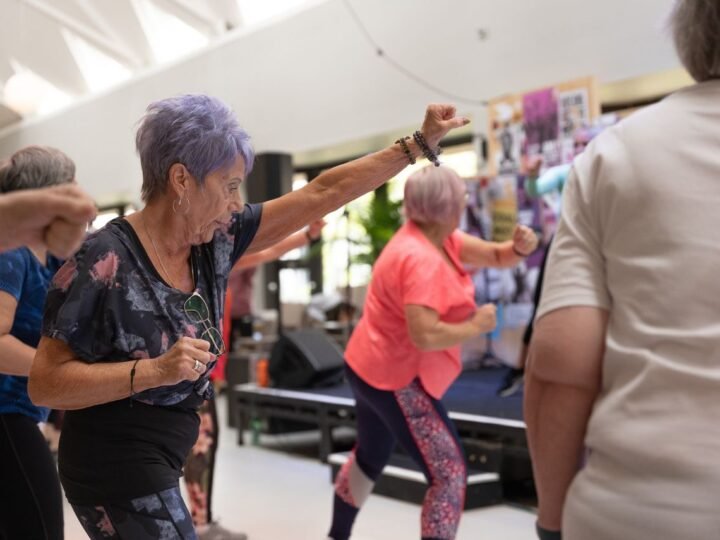
- A booked class — fixed time, a teacher at the front, other people either side of you. Reformer and mat pilates, yoga, barre, martial arts. You’re told what to do for an hour, which is either exactly the appeal or exactly the problem.
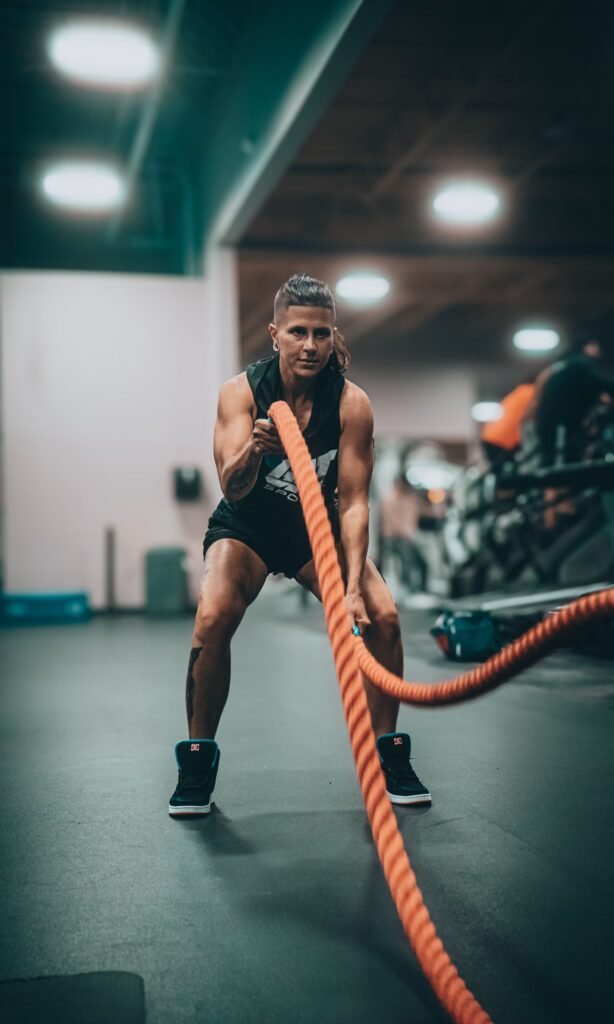
- An open door — a pool, a gym floor, a lane. You turn up when it suits and nobody’s waiting on you. Beatty Park in North Perth is the version most people picture when they think of starting.
- Outdoors, with other people — usually the cheapest and often free. It’s the only one of the three where the social part quietly does the work of getting you out the door, and the Perth Bushwalkers Club has run on exactly that principle for decades.
Most people who stop inside a month picked the wrong shape rather than the wrong activity. So be honest with yourself about which one you are. If being watched is the thing you dread, a beginners’ class with eleven strangers is a peculiar place to start, and a lane in a pool is a much better one.
What it actually costs
Across Fitness & Movement the directory holds 28 practices in 23 suburbs, and ten of them publish a starting price — those run from $12 to $190 with a median of $57, and where a band is given instead of a figure, $25–$60 is far and away the most common.
Yoga & Pilates sits a little higher — 33 practices across 27 suburbs, median starting price $74, though most still land in that same $25–$60 band — and the gap between those two numbers is worth understanding. A median of $74 isn’t what a class costs; it’s what the first booking costs, because studios price a single drop-in high to make the ten-class pass look like the sensible option. Which it usually is.
The $12 at the bottom of that range is a public leisure centre and the $190 at the top is a package rather than an hour. Neither is a trick. They’re answers to different questions.
Nobody labels the beginner classes, and we’re not much better
Here’s the honest part. A timetable reading “Vinyasa 6.15am” tells a beginner nothing at all. Some studios run a genuine four-week beginners’ course, some mean “all levels” sincerely, and some mean it roughly the way a restaurant means “family friendly”.
We record it where a practice publishes it, and the coverage is uneven — every listing under Yoga & Pilates has been checked by hand, so when that category says eight practices publish something for beginners, eight is the real number. Most other categories haven’t been worked through yet. In those a blank doesn’t mean no — it means nobody has looked, which is a considerably less useful thing to hand you and not something we’d like to still be saying next year.
Until it’s fixed the shortcut is a phone call. The question that gets a straight answer isn’t “is this suitable for beginners”, because everyone says yes to that one — ask how many people in Tuesday’s class are in their first month. You’ll hear the answer in the pause.
Drop-in, term, or membership
There are three ways to pay and beginners get sold the wrong one constantly.
A drop-in is a single class at full price — expensive per hour, and exactly right for the first three or four visits while you’re still deciding whether you’ll go back at all. A term books you into the same slot for six or eight weeks with the same faces. That’s the format most likely to carry a beginner past week three, and the one most likely to be quietly wasted the moment your roster moves. A membership only makes sense once you know how often you genuinely go, as opposed to how often you picture yourself going.
Pay the expensive way first. It costs far less than a year of a membership you use twice a month.
The Perth-shaped parts
Two things about this city change the advice, and the first is summer. From December through March the middle of the day simply isn’t when you do anything outdoors, which pushes the whole timetable to either end and fills those 6am and after-six sessions accordingly. If you’re going to become an early person, the consolation is that Perth is already full of them. You’ll have company at Kings Park well before sunrise, where Strive for Fitness runs, and Positive Lifestyle Training works out of City Beach.
The second is that it’s all scattered. There’s no one district where this happens: Perth Central has the density, Fremantle and the south hold the biggest cluster of yoga studios, and the hills have things you’d happily drive to on a Saturday and never once on a Wednesday. Pick something within fifteen minutes of where you already are. Everyone overestimates how far they’ll travel in week six.
Slower starts, if that suits you better
Not everyone wants to begin out of breath. Tai chi and qigong are the quietest doors in the directory, and among the least intimidating rooms in Perth to walk into knowing nothing — largely because half the room has been coming for years and nobody is in a hurry. The Chen Tai Chi Academy in Attadale and the Chinese Kung Fu & Tai Chi Academy in Balcatta both teach it the traditional way, which means slowly and for a long time.
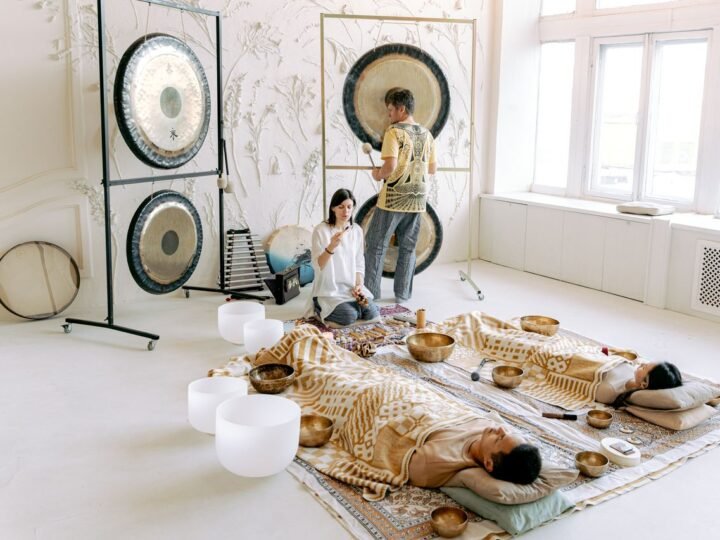
Longer formats exist too. Retreats and outdoor days run at a different pace again, and Kookaburra Yoga at Bedfordale is the sort of place people drive to on purpose. They sit at the expensive end — the median starting price in that category is $445 — so they’re something to graduate to rather than open with.
Five questions before you book
- Is there a beginners’ course, or only a beginners’ class? A course starts everyone together on the same day; a class means joining a room mid-conversation.
- What should you bring? Most studios have mats and most pools don’t have towels, and almost nobody says either on the website.
- Where do you park? The single most common reason people arrive late and flustered to a first session.
- Can you pay for just one? If the answer’s no, that tells you something useful about the place.
- What happens if you’re sick in week three? Worth asking before you buy the term rather than during it.
None of this is complicated. It’s just unwritten, and the distance between “something should probably change” and actually going is usually built out of small unanswered questions rather than any real shortage of willingness.
Start with the full directory if you already know roughly what you’re after, or with what’s on this month if you’d rather let a date make the decision for you. Booking something with a time attached beats intending to go, every week of the year.