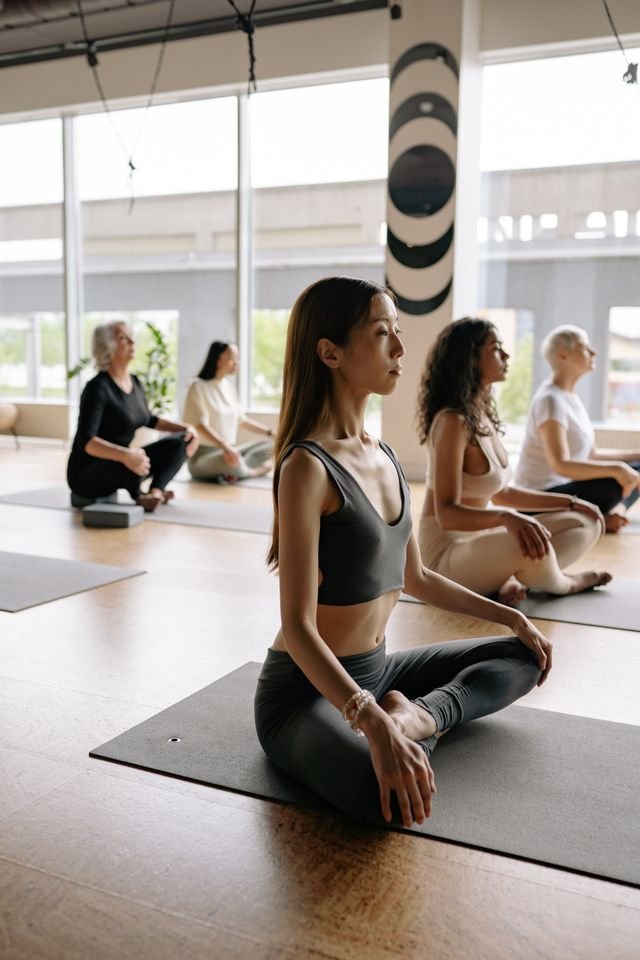
Breathwork has a naming problem. The same word covers a two-minute calming exercise, a methodical pranayama class, a ninety-minute session that can be genuinely intense, and a plunge into cold water with a breathing protocol attached — and studios rarely say which end of that spectrum a class sits on. We list twenty-one breathwork practices across fourteen Perth suburbs, and the difference between the gentlest and strongest thing on that list is roughly the difference between a cup of tea and a rollercoaster. Here is the map.
One word, four very different bookings
| Style | Intensity | Typical session | In one line |
|---|
| Calming breathwork | ●○○○○ | 2–30 min | Slow, structured patterns — the gentle end |
| Pranayama | ●●○○○ | 20–60 min | Breath as a discipline: ratios, retentions, technique |
| Conscious connected | ●●●●○ | 60–90 min | Continuous breathing, lying down, music — immersive |
| Breath + cold | ●●●●● | Varies | A breathing protocol plus ice or ocean immersion |
The quickest way to choose is to work backwards from what you want:
| You want… | Start with… |
|---|
| A few minutes of gentle settling | Calming breathwork |
| A traditional practice to develop over time | Pranayama |
| A deeper, immersive one-off session | Conscious connected breathing |
| A physical challenge | Breath + cold |
| Your first-ever class, unsure of everything | A gentle guided session |
You don’t have to start at the strongest end. There’s no advantage in booking the most dramatic-sounding session first.
Calming breathwork: where beginners start
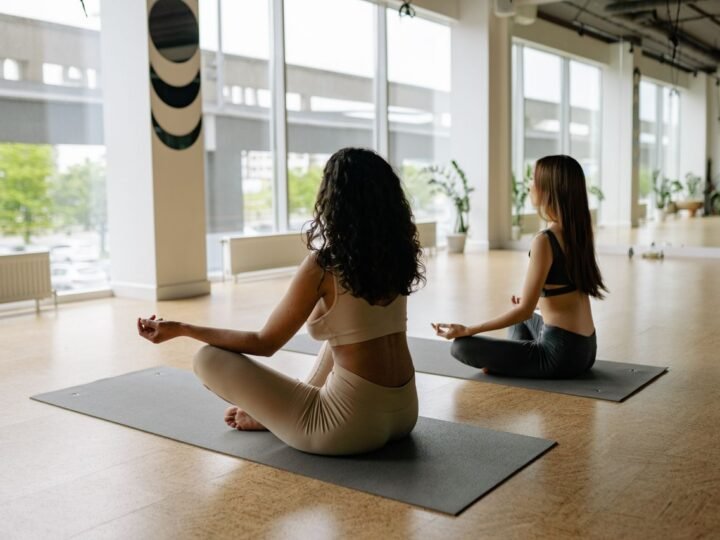
Box breathing, extended exhales, simple breath awareness, breath paired with gentle movement — the slow, structured patterns that most “breath and stretch” and lunchtime sessions teach. Box breathing is the classic: four counts in, four held, four out, four held, then around again — though different teachers use different timings, so follow the class rather than treating any one ratio as gospel.
These sessions are structured, simple and low-pressure. You stay entirely present, nothing unusual happens to you, and the hardest part is remembering which count you’re on. If you’re brand new to breathwork — or nervous about the intense-sounding versions — this is the door to walk through first, and plenty of people never need another one.
Pranayama: breath as a practice
Taught properly, pranayama isn’t “take a deep breath” — it’s a traditional yogic discipline with decades of depth: breath ratios, retentions, alternate-nostril work, deliberate pacing, sequences that build over weeks. Classes are methodical rather than intense, and teachers who specialise in it reward regular attendance far more than a big one-off session.
Worth untangling: pranayama and breathwork aren’t the same thing. Pranayama is the traditional discipline; “breathwork” is the modern umbrella over everything on this page. Some breathwork teachers use pranayama techniques, but not every breathwork class is pranayama — another reason to read what a class actually involves rather than booking on the name.
Choose pranayama if
You enjoy structured learning, you like repetition, and you want a technique that deepens over months — not a dramatic single experience.
Start elsewhere if
You want a big one-off session, you don’t want technical instruction, or all you’re after is a few minutes of simple calming breathing.
Conscious connected breathing
Sessions sold as breathwork journeys, holotropic-style sessions, somatic breathwork or 9D use continuous, fuller breathing for an extended period — usually lying down, usually with music, usually sixty to ninety minutes with a facilitator guiding the room. This is the strong end of the spectrum, and it’s where most of Perth’s dedicated breathwork practitioners work: the directory’s breathwork specialists run somatic, connected and 9D formats far more often than gentle classes.
Some people experience tingling, temperature changes, unusual physical sensations or strong emotions surfacing — some people, not everyone, and a good facilitator will tell you all of this before you’re on the mat, not after. If something feels wrong or overwhelming mid-session, stop following the technique and tell the facilitator. Nothing about the format requires you to push through discomfort, whatever the person breathing loudly next to you appears to be achieving.
Before booking a strong session, ask a few questions — any good facilitator answers them happily:
- How long is the session, and what technique will we use?
- Is it suitable for complete beginners?
- How many people are in the group?
- What screening do you do, and what happens if I become uncomfortable?
Before intense breathwork
Some techniques aren’t appropriate for everyone. If you’re pregnant, have cardiovascular or blood-pressure concerns, or another condition that might be relevant — talk to your doctor before booking, and tell the facilitator. A reputable facilitator screens participants; an article can’t determine medical suitability, and neither can a studio’s Instagram.
Breath + cold: a different animal
The breath-and-cold sessions around Perth pair short breathing protocols with ice baths or ocean swims, and it’s worth being clear that this is not just breathwork with a twist — it stacks breathing, cold, physical stress and environment into one session. The breathing is the easy half. Go with a group rather than alone, treat winter ocean sessions as the advanced version they are, and if you’re new to cold entirely, our sauna, ice bath or float guide covers what the first thirty seconds actually feel like.
The one hard rule
Never practise breath-holds or fast, hyperventilation-style breathing in or near water on your own. Combining the two without a professional protocol and supervision is genuinely dangerous — this is the single non-negotiable in the whole guide.
The four styles compared
| Calming | Pranayama | Connected | Cold |
|---|
| Intensity | ●○○○○ | ●●○○○ | ●●●●○ | ●●●●● |
| Beginner friendly | Very | Yes, with instruction | Choose the teacher carefully | Build up to it |
| Position | Seated, sometimes moving | Seated | Usually lying down | Standing, then very cold |
| Music | Sometimes | Rarely | Often central | Often outdoors |
| You might notice | Slower pace, more awareness | Concentration, deliberateness | Tingling, temperature shifts, strong emotion | Cold. Alertness. More cold |
| The point | Settling | Technique | Immersion | Challenge |
Treat that as an editorial guide, not a specification — experiences vary by facilitator, and the same style can run gentler or stronger depending on who’s leading the room.
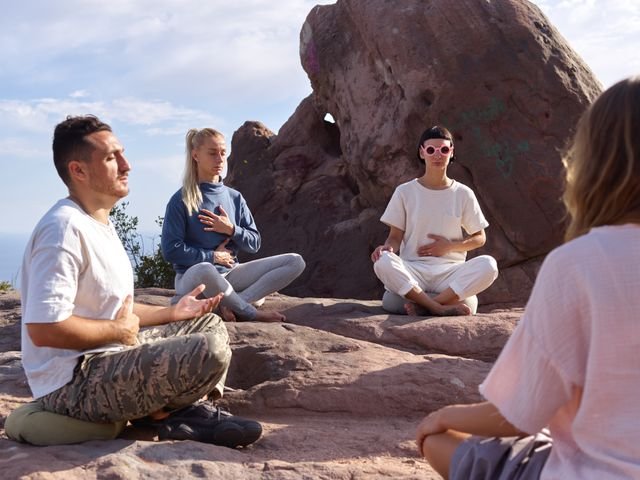
And where does meditation fit? The two overlap, but the centre of gravity differs: meditation is mostly about attention and your relationship with your thoughts, while breathwork makes the breathing itself the practice. If you want something active to do, breathwork tends to suit restless minds better; if you want to practise observing, a meditation class may be the better first booking.
What a class looks like, and who to trust
Most sessions, whatever the style, follow the same skeleton:
- Arrive and settleIntroductions, and for stronger styles a health and screening chat
- The technique, explainedA good facilitator tells you exactly what you’ll do before you do it
- The practiceFrom ten gentle minutes to an hour lying down, by style
- Rest and returnStronger sessions end with quiet integration time — don’t book something straight after
Wear comfortable clothing — suitable for lying down if it’s a connected session, swimwear and a towel if it’s a cold one — bring water, and check the listing for anything specific. The better filter is the facilitator. Look for a clear description of the technique, beginner suitability stated plainly, screening where the style warrants it, and transparent pricing and duration. Be cautious with anyone who promises to fix a health condition, insists everyone should do the intense version, won’t explain what the session involves, or discourages questions — dramatic promises with vague methods is the reliably bad combination.
On cost: published session prices in our directory sit around $65–$80 for facilitated breathwork, with workshops and retreat programs above that — the $1,495 you’ll see on one listing is a multi-day program, not a class. Figures checked August 2026.
If you’re genuinely unsure which style is yours, run the three-session experiment: one gentle guided class, one pranayama session, one connected session with a well-reviewed facilitator. Then ask the only question that matters — which one actually suited you?
Finding breathwork in Perth
A few of the best-rated rooms to start with:
Or start from where you live:
Quick answers
What is breathwork?
A broad umbrella term for practices that deliberately structure or alter your breathing — covering everything from two-minute calming exercises to ninety-minute facilitated sessions.
What are the main types of breathwork?
Four useful categories: calming breathwork (slow, structured patterns), pranayama (the traditional yogic discipline), conscious connected breathing (continuous breathing in longer immersive sessions) and breath-plus-cold work (breathing protocols combined with ice or ocean immersion).
Which breathwork is best for beginners?
A gentle guided session is generally the simplest starting point — structured, low-pressure and short. There’s no need to begin with the most intense version.
What is conscious connected breathing?
An extended session of continuous, fuller breathing — usually lying down with music and a facilitator. Some people experience tingling, temperature changes or strong emotions; a good facilitator explains this and screens participants beforehand.
Is pranayama the same as breathwork?
Not exactly. Pranayama is a specific traditional discipline; breathwork is the broader modern umbrella. Some breathwork classes use pranayama techniques, but not every breathwork class is pranayama.
Is breathwork safe?
Techniques vary too much for a blanket answer. Gentle styles suit most people; intense styles aren’t appropriate for everyone — if you’re pregnant or have cardiovascular, blood-pressure or other relevant health concerns, speak with your doctor first and tell the facilitator. Never combine breath-holds or fast breathing with water on your own.
How much does a breathwork session cost in Perth?
Published session prices in our directory sit around $65–$80 for facilitated sessions, with multi-day programs priced separately. Checked August 2026.
What should I wear or bring?
Comfortable clothing — suitable for lying down for connected sessions, swimwear and a towel for cold sessions — plus water. Check the individual listing for anything specific.
Every breathwork listing in the directory names its style on the profile, so you can match the class to the experience you actually want — which, on your first booking, probably isn’t the rollercoaster. The cup of tea is right there.



 Illustration