Recovery rooms sell time rather than treatments, and the price on the board is usually for the slot, not the thing you do in it.
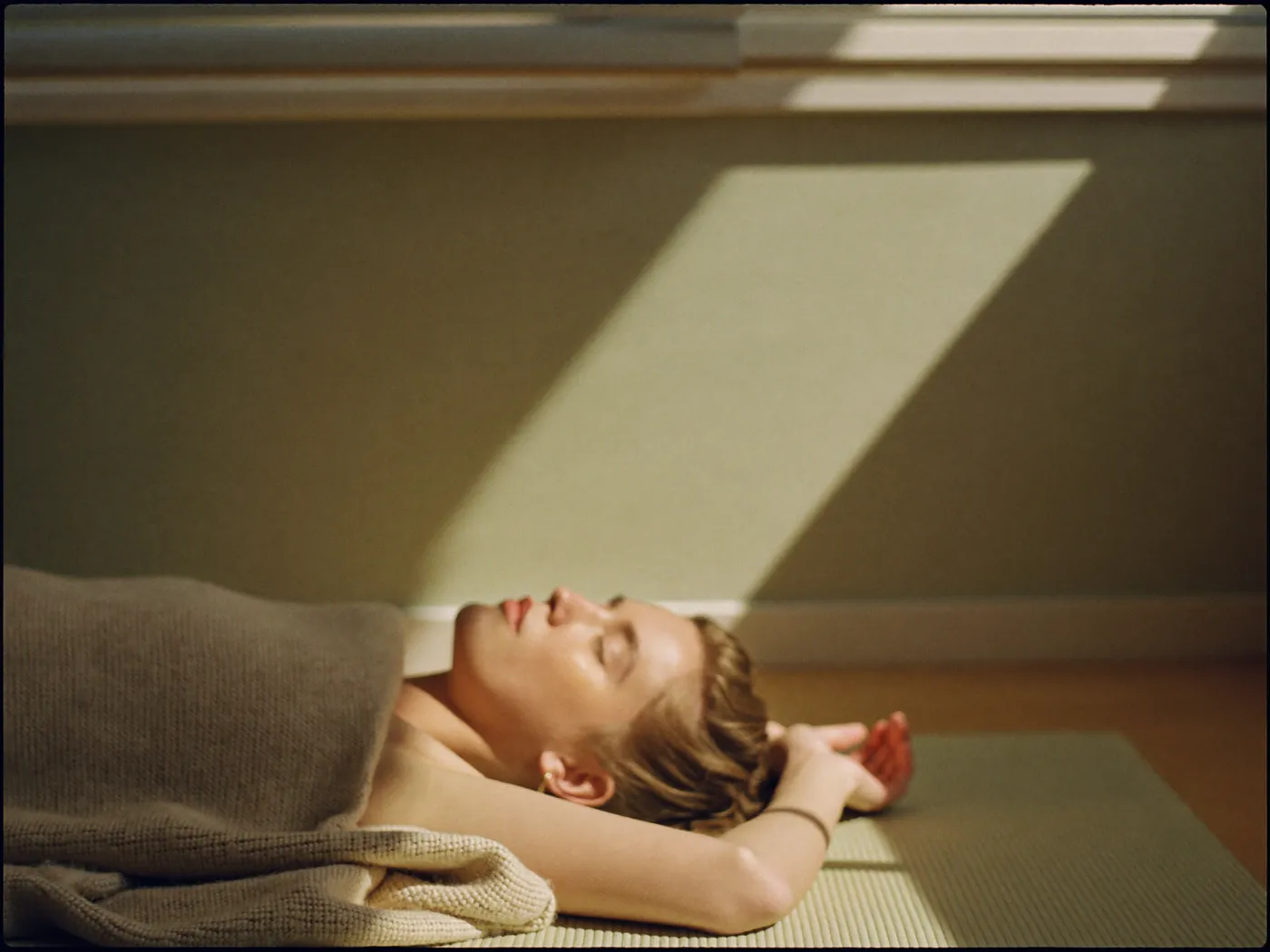
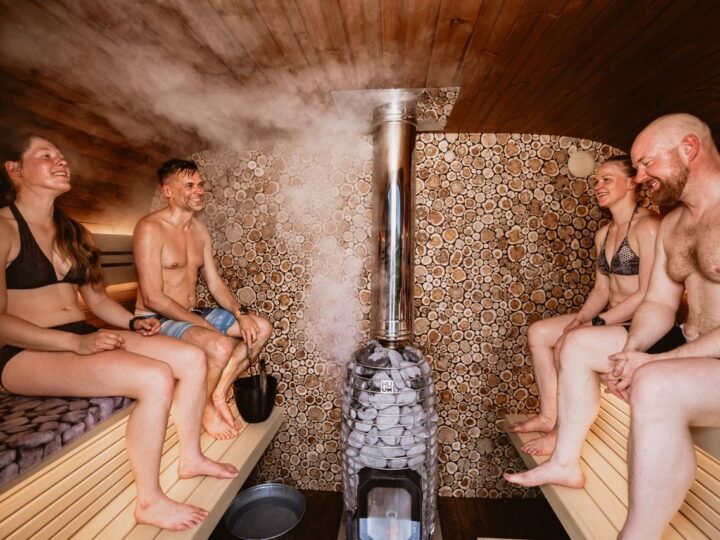
The sessions differ more than the marketing suggests. A sauna is a long warm sit you can talk through; an ice bath is two or three minutes and you will not want to talk. Contrast therapy alternates the two and takes about an hour with the changing. Float tanks are an hour on your own in dark salt water, which some people find restful and others find far too quiet. Infrared saunas run cooler than traditional ones and feel less punishing, and sound baths belong here too — you lie down, someone plays bowls and gongs, and nothing is required of you.
On practicalities: most studios sell memberships that only make sense if you go weekly, and casual rates are the honest way to find out whether you will. Bring or hire a towel, allow twenty minutes on top of the session for changing and showering, and book contrast in the middle of the day if you would rather not drive home cold.
Related: infrared sauna, ice baths, contrast therapy, float therapy, sound healing, and red light therapy.